
What the law says about mobile homes: regulations and rules you should know
- Redazione
- 10/07/2025
Lorem ipsum dolor sit amet
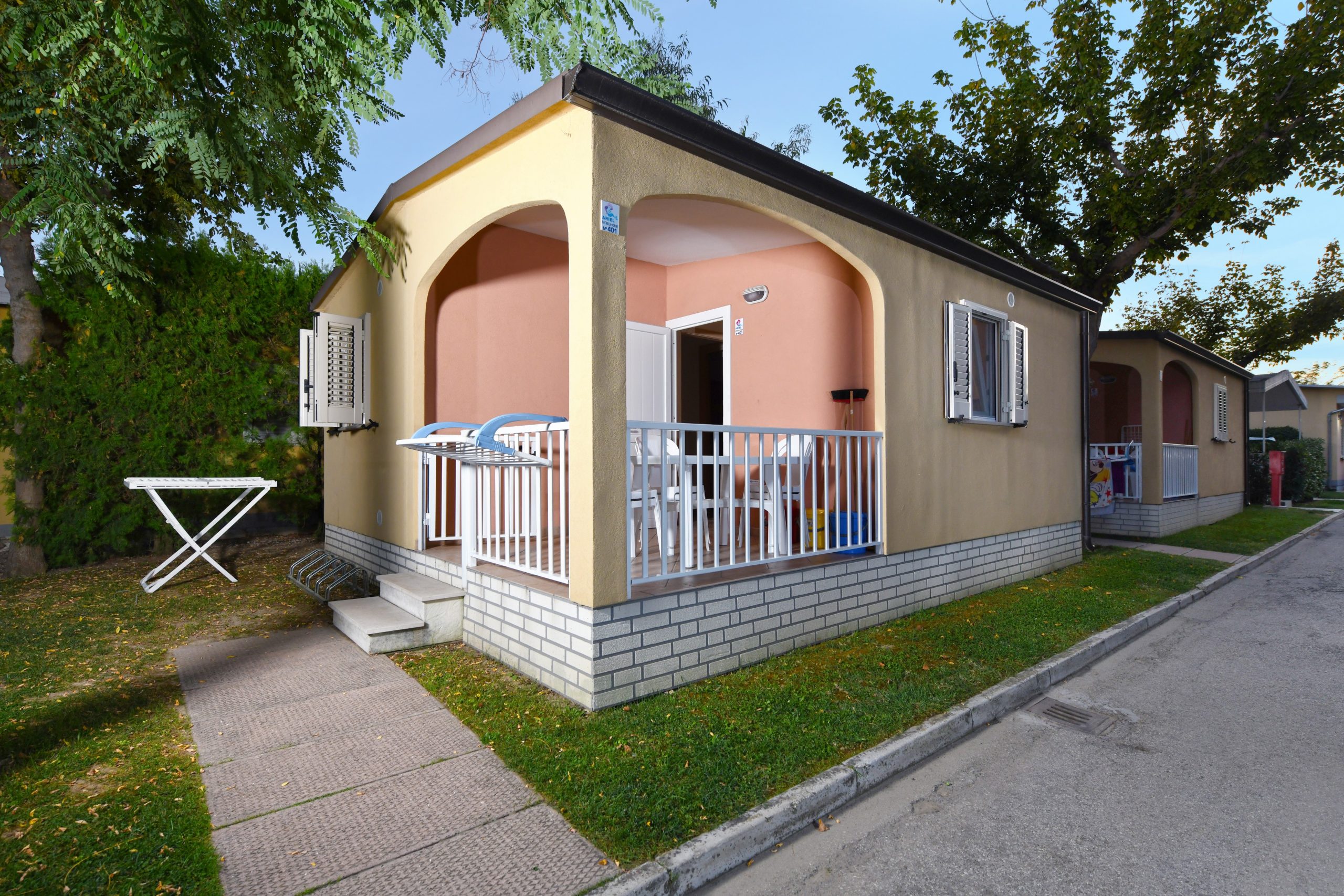
In recent years, mobile homes have become an increasingly popular housing option—both for residential and vacation use. They offer flexibility, quick installation, and a much lower investment than traditional construction.
However, before purchasing a mobile home, it’s crucial to understand the regulations that govern their use and installation. This will help you avoid legal issues and costly mistakes.
A mobile home is a prefabricated, transportable structure mounted on wheels, designed to serve as a temporary residence or vacation home, typically installed in campgrounds or tourist accommodations.
When used in tourist or hospitality settings, mobile homes are subject to specific regulations regarding how, when, and how many units can be installed.
These rules may vary depending on the type of business, regional laws, and local conditions, such as landscape protection restrictions or zoning limitations.
We’re happy to offer general guidance based on our experience, but working with a licensed local technician is essential to handle permits and navigate local bureaucracy correctly.
When it comes to individuals placing mobile homes on their own land, the situation becomes more complex. Italian law currently offers limited and unclear guidance in this area.
Because mobile homes are mounted on wheels, they’re often categorized as Maxi-Caravans, and therefore subject to national rules for temporary storage: this means they can stay on private land for up to 3 months, after which they must be moved—even if just briefly—before returning to the same spot.
There are some key differences between mobile homes and traditional road-legal RVs (like campers, caravans, or trailers).
Unlike those vehicles, mobile homes cannot circulate on public roads, as they lack a registration document, license plate, and vehicle title. They must be transported by special cargo trucks.
Additionally, while mobile homes are technically moveable, they are designed to function as permanent mini-homes, and are usually equipped to be hooked up to utilities like water, electricity, and sewage.
Still, you can use a mobile home off-grid, without making permanent connections:
But does avoiding all hookups completely eliminate legal risks?
Unfortunately, no. If the mobile home is used as a vacation residence, there can still be legal consequences for the property owner.
The most important factor is intended use.
In the tourism/hospitality industry, you’ll need specific permits and paperwork to install mobile homes legally.
For private use, however, current Italian regulations generally do not allow authorizations, unless under certain special conditions:
If you’re considering buying a mobile home for the first time, keep in mind that the type of land and intended use greatly affect the legal and bureaucratic steps you’ll need to follow.
While mobile homes provide tremendous housing freedom, they’re not free from regulatory restrictions.
To avoid penalties or complications, we recommend:
A mobile home is a modern, flexible housing solution, but it does require awareness—especially from a legal standpoint.
Regulations vary depending on where and how the home is installed, how long it’s used, and what it’s used for.
Whether you’re looking for a year-round residence or a seasonal escape, it’s essential to understand the legal framework before you commit.
In addition to offering a wide selection of used mobile homes, the 4Springs team is here to answer any questions about technical requirements, permits, and compliance.
Buy smart, stay safe—choose your mobile home with peace of mind by starting with the right knowledge.

© Copyright 4 Springs Case Mobili s.r.l. 2024
