
Mobile homes and weather: how they withstand rain, wind, snow, heat, and humidity
- Redazione
- 29/05/2026
Lorem ipsum dolor sit amet
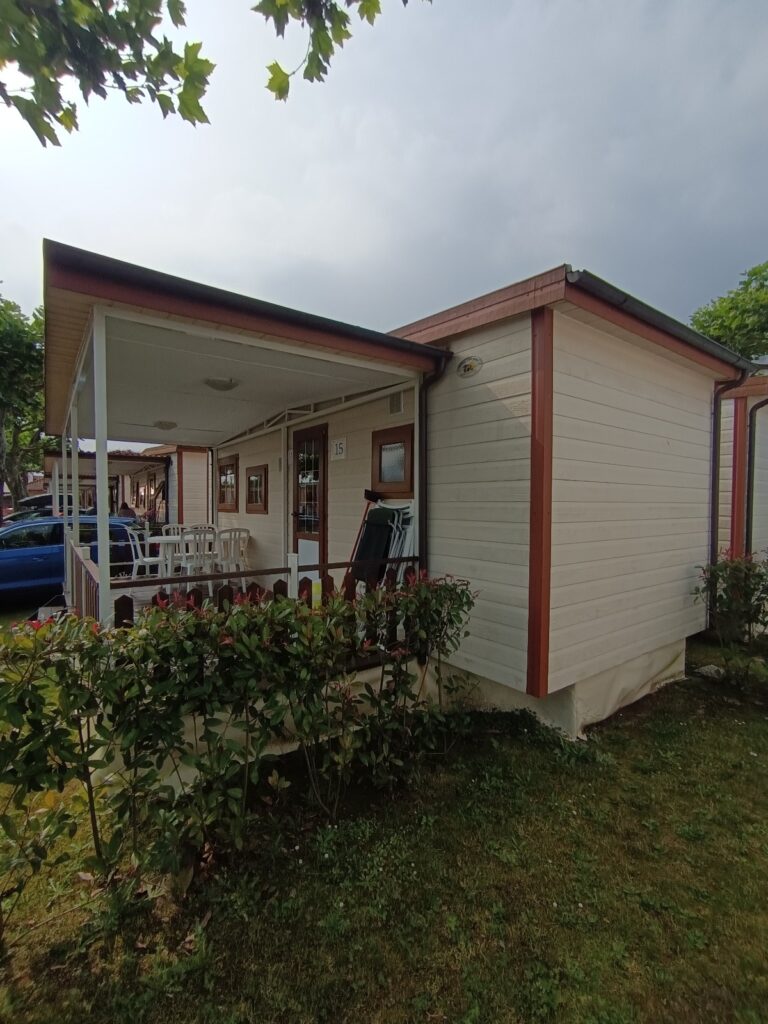
When considering the purchase of a mobile home, one of the most common questions concerns its resistance to weather conditions.
Heavy rain, strong winds, hail, snow, constant sun exposure, and humidity can all significantly affect the durability and performance of the structure.
In recent years, however, the house-on-wheels industry has evolved dramatically.
Modern solutions used in campsites, holiday villages, glamping sites, and hospitality structures are designed with increasingly high-performance materials and technologies specifically engineered to withstand complex climate conditions.
Modern mobile homes are specifically designed for outdoor installation and to handle variable weather conditions throughout the year.
Recent structures are built to ensure comfort, safety, and long-term durability even in the presence of heavy rain, strong winds, high humidity, high temperatures, and thermal fluctuations.
Naturally, their ability to withstand weather exposure depends on construction quality, materials used, and proper installation.
Today’s mobile homes are far more advanced compared to older models. They are constructed using systems designed to improve insulation, structural strength, and long-term durability.
In most cases, the frame is made of galvanized steel, chosen for its resistance to corrosion and external stress.
Walls and roofing are built using multilayer insulated panels that help maintain indoor comfort both in summer and winter.
The roof plays a crucial role as well: a proper design prevents water stagnation and reduces the risk of leaks or infiltration.
Resistance to rain is one of the most important aspects for anyone purchasing a mobile home intended for campsites or hospitality structures.
Modern houses on wheels are designed with waterproof materials and drainage systems that ensure proper water runoff. Seals, external coatings, and roofing layers are specifically engineered to minimize infiltration and humidity-related issues.
However, structural quality alone is not enough. Proper installation is essential to prevent future problems, especially in areas exposed to heavy rainfall.
Mobile homes used in hospitality environments are typically anchored and stabilized to withstand strong wind gusts.
Wind resistance depends on several technical factors, including frame quality, anchoring system, and the geographical exposure of the site.
In particularly windy areas, such as coastal or hillside locations, specific engineering solutions should be planned during the design phase.
Many people assume that a house on wheels is suitable only for summer use. In reality, modern models are also designed for extended use in colder climates.
Advanced mobile homes can include:
Performance naturally varies depending on the quality level of the structure and the climate zone in which it is installed.
Intense heat is another major challenge, especially in tourist destinations exposed to strong sunlight.
A properly designed mobile home must maintain comfortable indoor conditions even during summer. For this reason, insulation, ventilation, and window quality play a crucial role.
Modern houses on wheels are often engineered to promote air circulation and reduce indoor overheating.
In coastal locations, one of the most damaging factors is salt air. Constant humidity and saline exposure can accelerate the wear and deterioration of outdoor structures.
For this reason, many mobile homes installed near the sea use materials treated to resist corrosion, oxidation, and surface degradation.
In these environments, regular maintenance becomes even more important to preserve long-term performance.
In recent years, extreme weather events have become increasingly frequent. Severe storms, sudden hailstorms, and strong wind gusts can place significant stress on any outdoor structure.
Modern houses on wheels are built with increasingly resistant materials, but it is important to remember that no structure can be fully immune to extreme weather conditions.
Choosing high-quality products and ensuring proper maintenance can significantly reduce risks.
Purchasing a used mobile home can be an extremely cost-effective solution for campsites, holiday parks, and hospitality businesses that want to optimize investment without sacrificing comfort and quality.
However, when selecting a used house on wheels, it is essential to carefully evaluate the condition of the structure and its exposure to weather over time. Elements such as roofing, seals, insulation, and exterior components must be thoroughly inspected to ensure reliability and long-term durability.
This is why working with qualified and specialized companies such as 4Springs represents a major advantage. The used mobile homes offered are carefully inspected, refurbished, and prepared before sale, ensuring that each unit is delivered in the best possible condition from an aesthetic, functional, and structural standpoint.
This provides significantly more security compared to private sales, reducing the risk of issues such as leaks, wear, or weather-related damage.
The lifespan of a mobile home depends on several factors, including build quality, maintenance, and climate conditions.
A well-designed and properly maintained structure can remain fully functional and perform well for many years of outdoor use.
On the other hand, insufficient maintenance can accelerate deterioration caused by rain, humidity, and thermal fluctuations.
For this reason, regular inspections and timely repairs are essential when signs of wear appear.
Maintenance is one of the most important factors in ensuring long-term durability and reliability.
Regularly checking roofs, seals, drainage systems, and metal components helps prevent more serious issues and maintain high structural performance.
In coastal or highly humid areas, more frequent inspections are recommended to reduce the risk of corrosion.
When purchasing a house on wheels, it is essential to evaluate not only the design but also the technical features related to weather resistance.
Key factors include material quality, insulation, structural frame, certifications, and installation type.
Even when buying a used mobile home, careful inspection of the overall condition is crucial before purchase.
Working with experienced professionals helps ensure the best solution based on geographic location, intended use, and hospitality requirements.
Modern mobile homes are designed to withstand rain, wind, sun exposure, humidity, and challenging weather conditions. Today’s industry uses far more advanced materials and technologies than in the past, significantly improving durability, insulation, and long-term performance.
Ultimately, structural quality makes the difference.
Whether purchasing a new unit or a used mobile home, careful evaluation of materials, installation, and maintenance is essential.
For campsites, holiday villages, and outdoor hospitality businesses, choosing a weather-resistant house on wheels means protecting the investment while ensuring comfort and safety in every season.

© Copyright 4 Springs Case Mobili s.r.l. 2024
