
Thermal insulation of mobile homes: how to choose a comfortable solution for every season
- Redazione
- 07/07/2026
Lorem ipsum dolor sit amet
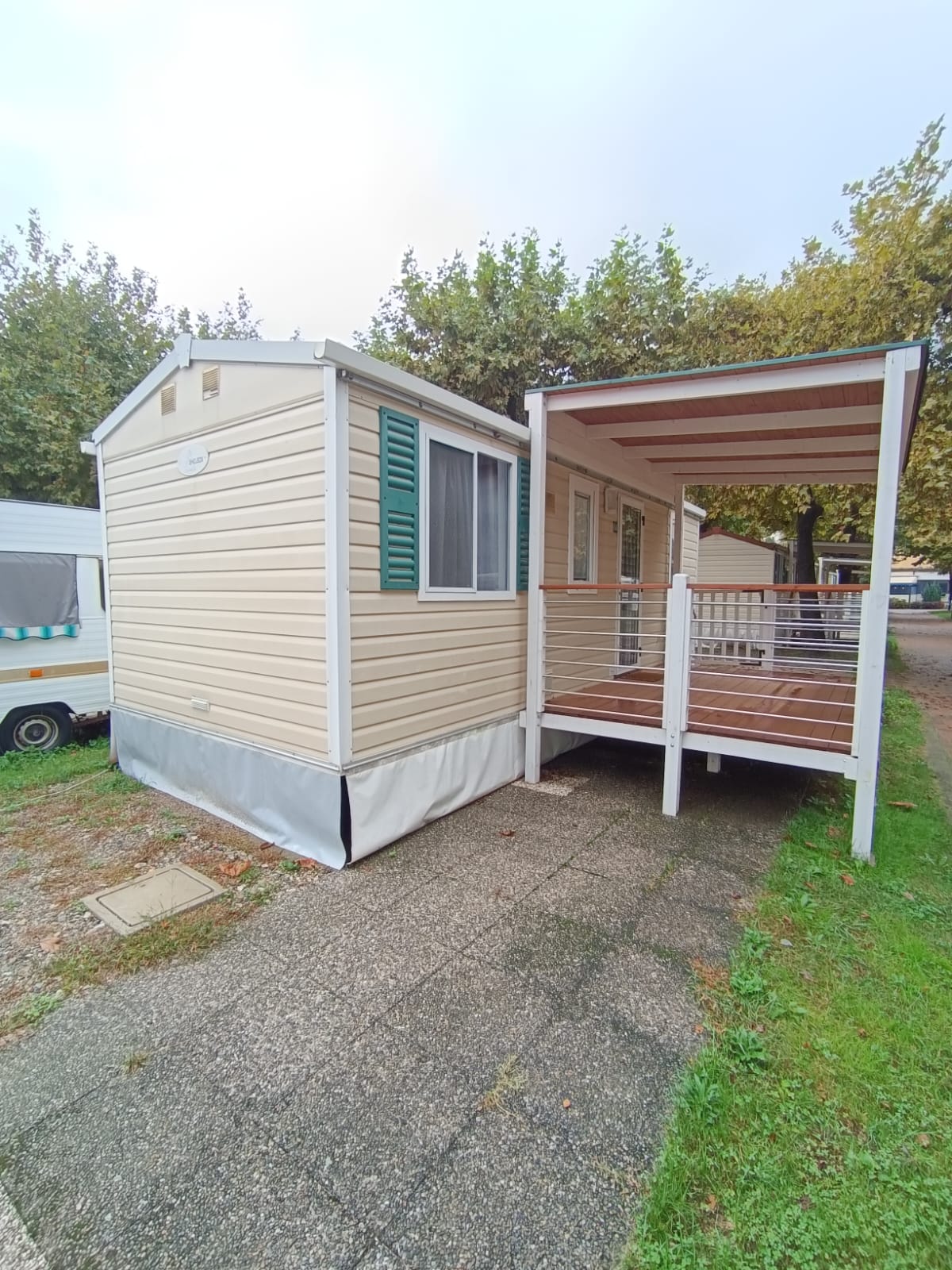
When choosing a mobile home, one of the most important aspects to consider is its thermal insulation.
A well-insulated structure ensures a comfortable indoor environment throughout the year by reducing heat loss during winter and limiting overheating in the summer months.
In recent years, the mobile home industry has evolved significantly. Today’s models are no longer seen as temporary or seasonal accommodation, but as fully equipped modular homes designed to deliver comfort, energy efficiency and high construction standards.
For this reason, whether you are considering purchasing a new or pre-owned mobile home, it is essential to understand how thermal insulation works and which features have the greatest impact on the overall performance of the structure.
Thanks to its extensive industry experience, 4Springs helps both private customers and hospitality businesses choose mobile homes that provide long-lasting comfort and reliability, offering solutions tailored to a wide range of needs.
Thermal insulation creates a barrier between the indoor and outdoor environment, reducing the transfer of heat.
A poorly insulated mobile home can lead to several issues, including:
By contrast, a well-insulated mobile home maintains a more stable indoor temperature, improving occupants’ comfort while making the structure more energy efficient.
This is particularly important for those using a mobile home as:
The thermal performance of a mobile home depends on several construction elements. It is not determined by a single insulating material, but by the overall design and quality of the structure.
The walls are one of the main areas through which heat can be lost.
High-quality mobile homes typically feature multi-layer wall systems consisting of:
The use of high-performance insulation helps protect indoor spaces from outdoor temperature fluctuations, improving overall thermal efficiency.
The roof plays a particularly important role during the summer months.
A properly insulated roof helps reduce the amount of heat entering the home when it is exposed to direct sunlight, providing a more comfortable indoor environment even on the hottest days.
For mobile homes intended for year-round use, the quality of the roof insulation is therefore a key feature to evaluate carefully.
The floor also plays an important role in maintaining indoor comfort.
Proper insulation beneath the structure helps to:
This is particularly important for permanently installed mobile homes in campsites and holiday parks.
One of the most common questions is whether a mobile home can be comfortably used throughout the year.
The answer depends on the technical specifications of the structure.
Modern insulated mobile homes can provide excellent performance in both summer and winter thanks to:
However, not all mobile homes offer the same level of performance. Choosing the right solution requires careful consideration of build quality, the condition of the structure and its intended use.
A well-insulated mobile home makes it easier to maintain a comfortable indoor temperature while helping to reduce energy consumption.
By limiting heat transfer between the interior and exterior, heating and cooling systems can operate more efficiently:
For campsite and holiday park operators, this also means providing guests with a more enjoyable stay over a longer operating season.
When purchasing a pre-owned mobile home, thermal insulation is one of the key aspects to evaluate carefully.
To assess the overall quality of the insulation, it is important to examine several structural components, including the walls, windows and doors, flooring, and roof.
Any signs of water infiltration, deterioration or damage to the wall finishes can compromise the insulating performance of the mobile home.
Mobile homes are built using different wall systems, each offering specific characteristics in terms of thermal insulation, structural strength and moisture management.
These walls consist of an external steel sheet, a layer of expanded polyurethane foam insulation, and an internal washable laminated steel panel.
Key features:
This wall system consists of a timber frame insulated with polystyrene or glass wool, a vapour barrier to control moisture, external PVC cladding (lightweight or rigid), and an internal meranti wood finishing panel.
Key features:
These walls are made using timber battens, plywood, polystyrene insulation, and external timber or CanExel® cladding.
Key features:
In this type of construction, it is important to distinguish between timber cladding and CanExel® cladding.
Timber cladding requires regular maintenance to preserve its appearance and performance over time.
CanExel®, on the other hand, is an engineered wood product made from recycled wood fibres, resins and binders. It replicates the appearance of natural timber while offering greater dimensional stability, resistance to expansion and contraction caused by temperature fluctuations, and minimal maintenance requirements.
Windows and doors have a significant impact on both living comfort and heat loss.
PVC frames fitted with double glazing provide considerably better thermal insulation than aluminium frames with single glazing.
In some mobile homes, even when the windows are made of PVC, the entrance door may be manufactured from aluminium and fitted with Visarm® laminated safety glass, providing increased protection against impacts and improving safety, particularly for families with children.
The floor is another key component affecting both comfort and thermal insulation.
In most mobile homes, the floor consists of a timber structure fixed to the chassis and finished with PVC flooring designed to replicate either wood or ceramic tiles. In this configuration, the plumbing remains accessible beneath the structure, making maintenance easier.
Some models feature a double-floor system or an insulated underfloor enclosure that houses the plumbing within the floor structure itself.
This solution further improves thermal insulation and helps protect water pipes from freezing during particularly harsh winters, although it makes maintenance work more complex.
The roof also plays a major role in the overall thermal performance of a mobile home.
Roofs are designed to replicate the appearance of traditional residential buildings and may be constructed using corrugated steel sheets or tile-effect profiled steel roofing, supported by timber trusses and combined with a waterproof vapour barrier.
Mobile homes fitted with a suspended ceiling generally provide higher levels of thermal insulation, although the internal ceiling height is slightly reduced.
Models without a suspended ceiling, on the other hand, create a greater sense of space and brightness thanks to their higher internal roofline, while offering slightly lower thermal insulation performance.
Regular maintenance helps preserve both the original characteristics of the mobile home and its insulating performance over time.
For this reason, it is advisable to rely on an experienced specialist who can carefully assess the condition of the structure and help identify the solution that best meets your needs, reducing the risk of future issues.
Choosing a mobile home involves much more than selecting the right size, layout or appearance.
Technical aspects such as thermal insulation, build quality and the overall condition of the structure are essential factors in making a well-informed investment.
4Springs is a trusted specialist in both new and pre-owned mobile homes, offering:
The goal is not simply to sell a mobile home, but to help every customer find a reliable, comfortable solution that perfectly suits their needs.
A high-quality mobile home is the result of the right balance between thoughtful design, premium materials and excellent craftsmanship.
Thermal insulation is one of the most important factors in ensuring comfortable, energy-efficient living spaces that remain pleasant throughout the years.
Whether you are looking for a new or pre-owned mobile home, the 4Springs team is ready to help you find the solution that best meets your requirements.
Contact us to learn more about our available models and discover the features that make our mobile homes a comfortable choice for every season.

© Copyright 4 Springs Case Mobili s.r.l. 2024
