
Mobile homes on agricultural land: regulations, permits and key considerations
- Redazione
- 20/07/2026
Lorem ipsum dolor sit amet
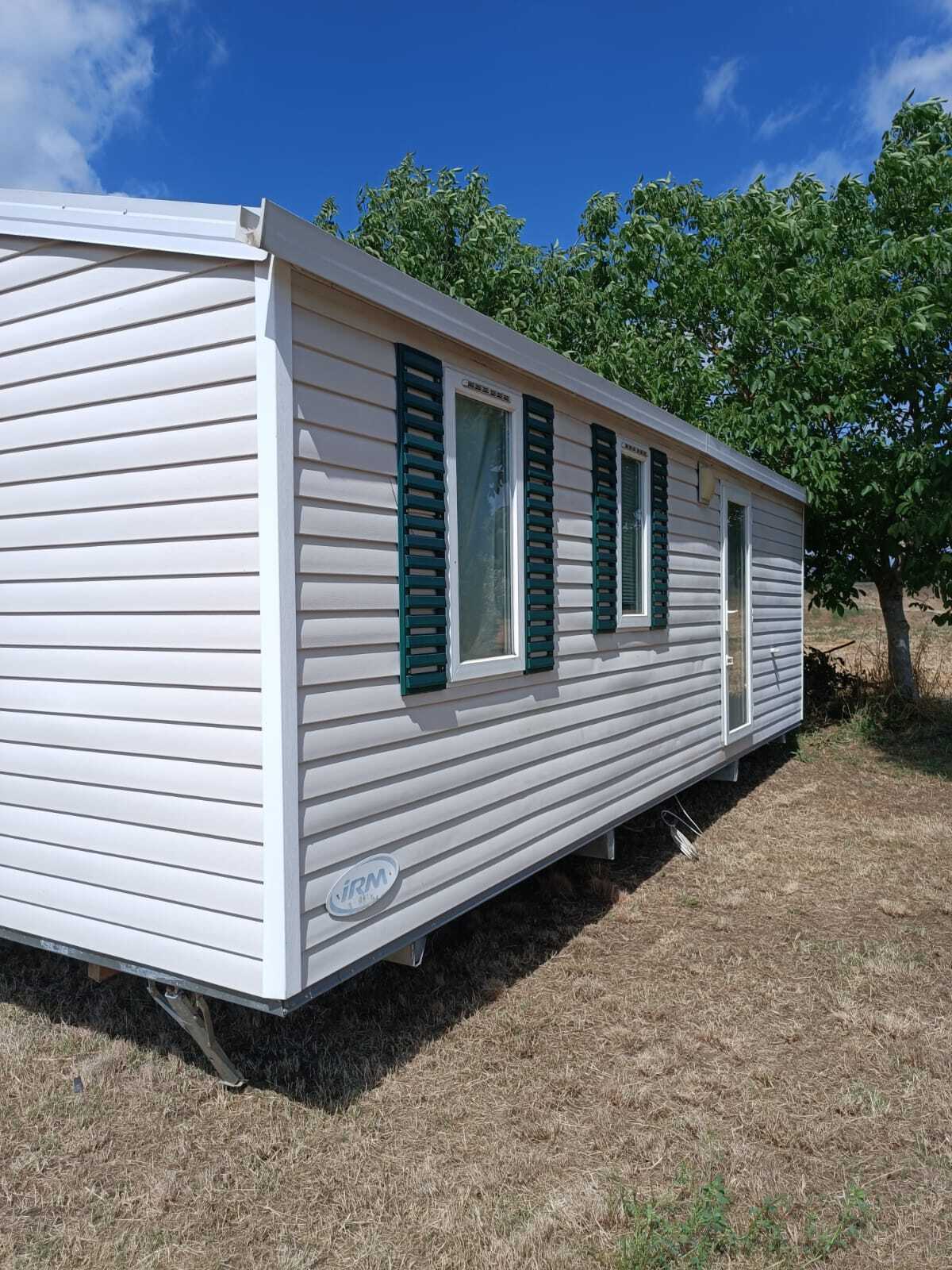
In recent years, more and more people have been considering purchasing a mobile home to install on agricultural land. Some are looking for a peaceful retreat surrounded by nature, others want to make better use of their own land, while many are simply searching for a more flexible alternative to a traditional house.
One of the most common – and also one of the most complex – questions is: Can you install a mobile home on agricultural land?
The answer is not a straightforward “yes” or “no”.
Italian legislation requires a number of checks before a mobile home can be installed. These include the land’s planning designation, the characteristics of the mobile home, the proposed installation method, and the regulations established by the local municipality and regional authorities.
In this guide, we explore the key aspects you should understand before purchasing a mobile home, explaining the checks that should be carried out and the most common mistakes to avoid.
There is no single answer that applies to every situation.
Whether a mobile home can be installed on agricultural land depends on several factors that must be assessed on a case-by-case basis.
The most important include:
For this reason, two agricultural plots that appear identical may be subject to completely different regulations.
Agricultural land is primarily intended for farming activities and the protection of the rural landscape.
For this reason, planning legislation generally places stricter limits on developments that could alter the intended use of the land or result in new buildings that are not permitted under local planning policies.
This does not necessarily mean that a mobile home cannot be installed on agricultural land. It simply means that each project must be carefully assessed in accordance with the applicable legislation.
The main legal reference is Presidential Decree No. 380/2001, commonly known as the Italian Consolidated Building Act, which regulates building works and defines the types of development that may be considered new construction.
Over the years, the rules governing mobile structures have been clarified through both legislative amendments and court decisions.
One important point is that simply describing a structure as a “mobile home” does not automatically exempt it from planning or building requirements.
Instead, the competent authorities assess the project as a whole, taking into account not only the structure itself, but also how it will be installed and used.
This is one of the most common misconceptions.
Many people believe that because a mobile home has wheels or is built on a chassis, it is automatically exempt from planning regulations.
In reality, authorities generally consider factors such as:
If these elements mean that the mobile home effectively loses its mobility, it may be assessed differently from a structure that genuinely remains movable.
When evaluating a project, local authorities do not simply check whether a mobile home can technically be moved.
They generally assess:
The aim is to determine whether the mobile home genuinely retains its mobile characteristics or whether, in practice, it functions as a permanent building.
Italian case law has also addressed the issue of mobile homes on several occasions.
Court rulings have consistently highlighted that the mere theoretical possibility of moving a structure is not enough to automatically exclude it from planning regulations.
When assessing a mobile home, particular attention is given to how it is actually used, the way it has been installed, and whether any elements make the structure effectively permanent.
For this reason, every project must be evaluated individually, taking into account its specific circumstances.
In some cases, planning legislation may provide different rules for structures that are directly connected to agricultural activities.
However, this does not mean that farmers are automatically entitled to install a mobile home on agricultural land. Each project must still be assessed according to the applicable legislation and the purpose the structure is intended to serve.
Even in these situations, it is always advisable to consult the local authority and seek advice from a qualified professional before proceeding.
This is another question frequently asked by landowners.
The presence of an olive grove, vineyard or other cultivated land does not automatically determine whether a mobile home can or cannot be installed.
What really matters is the planning designation of the land, the existence of any environmental or landscape restrictions, and whether the proposed installation complies with local planning policies.
The permits and authorisations required depend on the specific project and the applicable local regulations.
Before purchasing a mobile home, it is advisable to check:
Carrying out these checks in advance can help prevent delays, unexpected costs and changes to your project.
Before purchasing a mobile home, it is advisable to carry out a number of preliminary checks.
The first step is to confirm the planning designation of the land, as this determines what types of development may be permitted.
Each municipality may have its own planning rules governing the installation of mobile structures.
It is important to verify whether the land is subject to:
You should also assess whether the land can be accessed easily for transporting and positioning the mobile home.
Before installation, check whether connections to essential services are available, including:
One of the biggest mistakes people make is focusing solely on choosing the right mobile home while overlooking the planning aspects of the project.
Some of the most common mistakes include:
Careful planning at an early stage can help avoid unnecessary costs, delays and unexpected complications.
Every project has its own unique requirements.
Before purchasing a mobile home, it is worth considering several factors, including:
Taking the time to evaluate these aspects will help you choose a mobile home that best suits your needs, lifestyle and intended use.
Buying a mobile home is a long-term investment, so choosing the right supplier is just as important as selecting the right model.
Working with experienced professionals means receiving expert advice throughout the entire purchasing process, helping you make an informed decision with confidence.
At 4Springs, we offer a wide range of carefully selected mobile homes, chosen for their quality, comfort and functionality. Our team supports every customer in finding the most suitable solution, providing clear guidance and practical advice at every stage of the project.
Installing a mobile home on agricultural land requires careful planning and a thorough assessment of the applicable regulations.
The rules may vary depending on the municipality, the region, the planning designation of the land and the characteristics of the proposed installation.
Understanding these aspects before making a purchase is the best way to avoid unexpected issues and ensure that you choose the right solution for your needs.
If you would like to explore our range of mobile homes or receive personalised advice, the 4Springs team is ready to help you find the ideal solution for your project.

© Copyright 4 Springs Case Mobili s.r.l. 2024
