
Single-module vs double-module mobile homes: what’s the difference and which one makes more sense?
- Redazione
- 21/05/2026
Lorem ipsum dolor sit amet
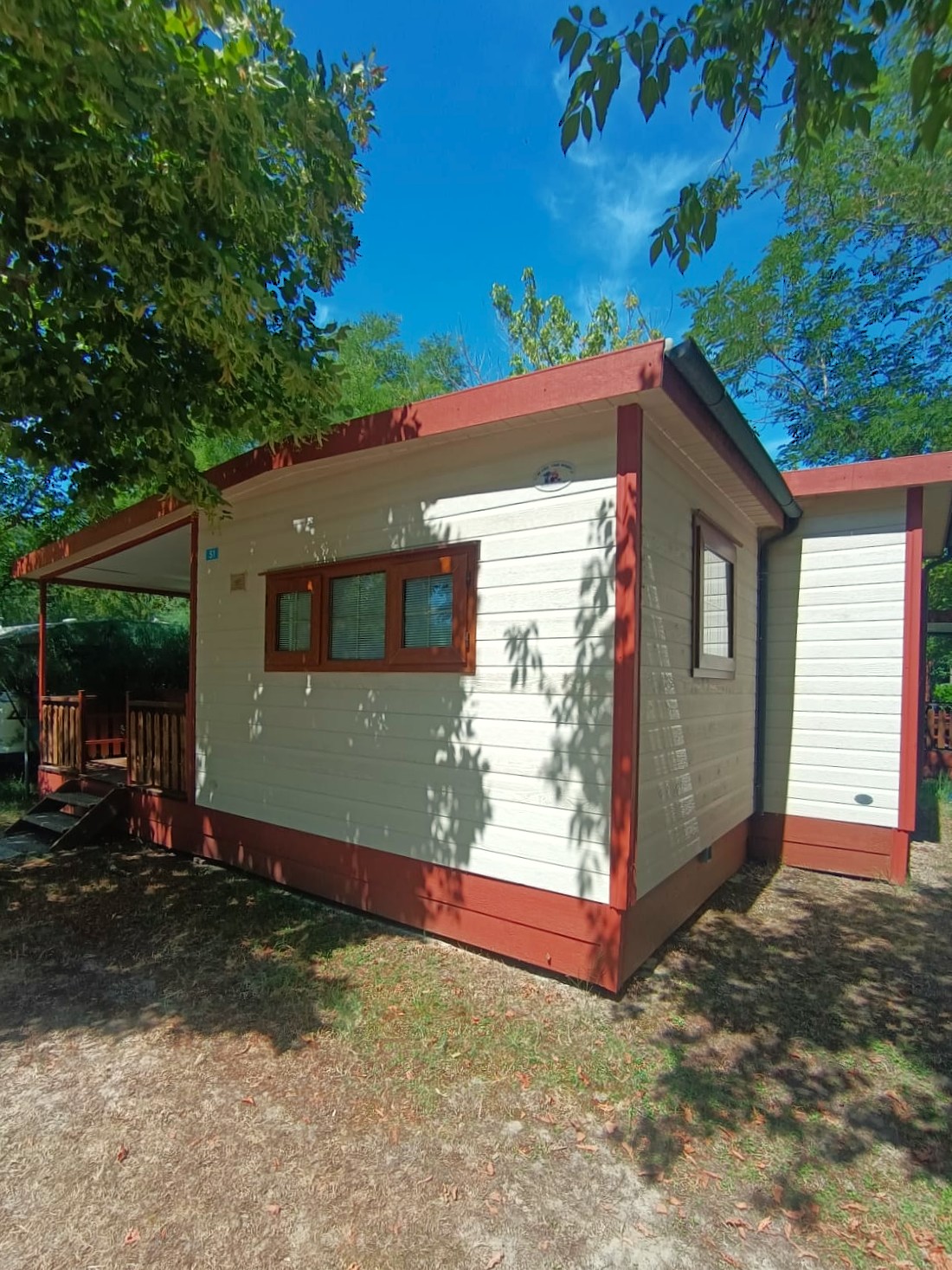
More and more people are turning to modular living solutions to expand their space, create modern hospitality setups, or invest in a faster, more flexible alternative to traditional construction.
One of the most common questions people ask when approaching the mobile home market for the first time is the difference between single-module and double-module mobile homes.
Understanding what actually changes between these two setups is key to choosing the right solution based on your budget, available space, intended use, and overall project goals.
Single-module mobile homes
A single-module mobile home is built as one complete transportable unit.
The entire structure is manufactured as a single prefabricated block that can be delivered and installed without having to join multiple sections together on site.
This type of solution is one of the most common in the mobile home industry, especially for campsites, holiday parks, and seasonal use.
Single-module homes are usually categorized by transport width: either 3-meter-wide or 4-meter-wide units.
The 4-meter versions obviously offer more spacious and comfortable interiors, but transport costs go up significantly due to road transport restrictions. These often involve temporary special permits, escort vehicles, time restrictions, and in many cases even overnight transport authorizations.
That’s exactly why double-module homes are often considered the smarter option when larger living spaces are needed: you get more square footage while keeping overall transport costs more manageable.
That said, modern single-module homes still deliver surprisingly well-designed layouts, contemporary aesthetics, and excellent comfort levels.
Double-module mobile homes
Double-module mobile homes are made up of two separate sections that are transported individually and then joined together during installation.
This setup allows for much larger living spaces compared to standard 3-meter single modules — and in many cases even larger than 4-meter models — creating interiors that feel much closer to a traditional home.
Double-module layouts also offer far more design flexibility, both in terms of room distribution and overall customization.
One feature that often sets these modular solutions apart is the integrated veranda built directly into the chassis. Normally, mobile homes require an external veranda added afterward, but with many double-module setups, the veranda is already included from day one — meaning you get a fully functional outdoor living space without extra post-installation costs.
That’s why double-module mobile homes are often chosen for:
Over the last few years, demand for this type of solution has grown massively thanks to the increasing focus on comfort, energy efficiency, and modern design.
What’s the real difference between single and double modules?
The main difference comes down to the structural configuration.
Single-module homes are transported and installed as one complete unit, while double-module homes consist of two sections assembled on site.
But that structural difference impacts a lot more than just logistics — it directly affects space, comfort, costs, transport, and overall usability.
Interior space and layout
Double-module homes generally offer much larger interiors.
Because the structure is split into two transportable sections, they can bypass many of the size limitations associated with transporting oversized single units.
This usually means:
Single-module homes, on the other hand, focus more on smart space optimization.
They’re ideal for anyone looking for a compact, practical, and easier-to-install solution.
Transport and installation
From a logistics standpoint, 3-meter-wide single-module homes are the easiest and cheapest to transport and position.
As mentioned earlier, 4-meter-wide units are more expensive and complex to move due to road regulations, although installation itself remains relatively straightforward once on site.
Since they arrive fully assembled as one single structure, they require minimal installation work.
Double-module homes, instead, travel in two separate sections on the same truck. Our transport vehicles use both a tractor unit and trailer, allowing two modules to be moved at once and helping reduce overall transport costs.
The modules are typically transported at 2.5 meters wide — the most cost-effective option — or at 3 meters wide for larger double-module configurations.
Compared to single modules, though, this setup requires:
Still, that added complexity is usually more than worth it considering the huge jump in living comfort.
Living comfort
If the goal is to create a space for long-term stays or residential living, double-module homes offer major advantages.
The larger interiors make daily life feel far more natural and comfortable.
The overall feel changes completely too: double-module homes tend to feel brighter, airier, and much closer to a traditional house.
Single-module solutions remain perfect for seasonal, tourism-related, or temporary use, where practicality and compactness matter more than sheer space.
When a single-module mobile home makes more sense
Single-module mobile homes are an excellent option in many situations.
They’re especially popular among campsites, holiday villages, and hospitality businesses looking to optimize available space while keeping costs under control.
They’re often the right choice when:
In recent years, manufacturers have also developed highly optimized single-module models with sleek modern designs and surprisingly high comfort levels despite their compact size.
When a double-module mobile home is the better option
Double-module homes are ideal for anyone looking for more space, higher comfort, and a living experience that feels much closer to a traditional home.
They’re commonly chosen for:
Because of their flexibility and larger layouts, double-module homes also tend to create a stronger premium perception and higher perceived value.
Costs: which one is more convenient?
Naturally, budget plays a huge role.
Generally speaking, single-module homes are more affordable than double-module models.
That mainly comes down to:
Double-module homes require a larger upfront investment, but they also provide significantly more space and comfort.
That’s why the decision shouldn’t be based purely on purchase price — it should depend on how the structure will actually be used and what the long-term goals of the project are.
In the tourism sector, for example, a double-module mobile home can justify higher rental rates and deliver a stronger premium experience.
Regulations and permits
When planning a mobile home installation, it’s also important to consider local regulations and permits.
Requirements can vary depending on:
Both single-module and double-module homes may require urban planning or landscape approval checks depending on the project.
Single or double module: which one should you choose?
There’s no universally “better” option.
Choosing between a single-module and double-module mobile home mainly depends on:
If you’re looking for something compact, functional, and more budget-friendly, a single-module setup could be the perfect fit.
If you want larger interiors, better comfort, and more customization options, then a double-module solution is probably the way to go.
The most important thing is to evaluate the project as a whole — not just your current needs, but future ones too.
The mobile home market has evolved massively in recent years, and today there are countless solutions available with different layouts, build qualities, and configurations.
Working with experienced professionals helps you:
An experienced partner can also help you realistically compare the pros and cons of single-module vs double-module setups based on your actual needs.
Choosing between a single-module and double-module mobile home means carefully balancing comfort, space, intended use, and long-term goals.
Each solution comes with its own advantages and can absolutely be the right choice depending on the installation context and the type of residential or hospitality project involved.
With years of experience in the mobile home industry, 4Springs supports both private clients and professionals in finding the right solution through carefully selected models, expert consulting, and full project assistance from start to finish.
From the initial planning phase all the way to final installation, working with industry specialists helps turn your investment into something smarter, more efficient, and built to last.

© Copyright 4 Springs Case Mobili s.r.l. 2024
